

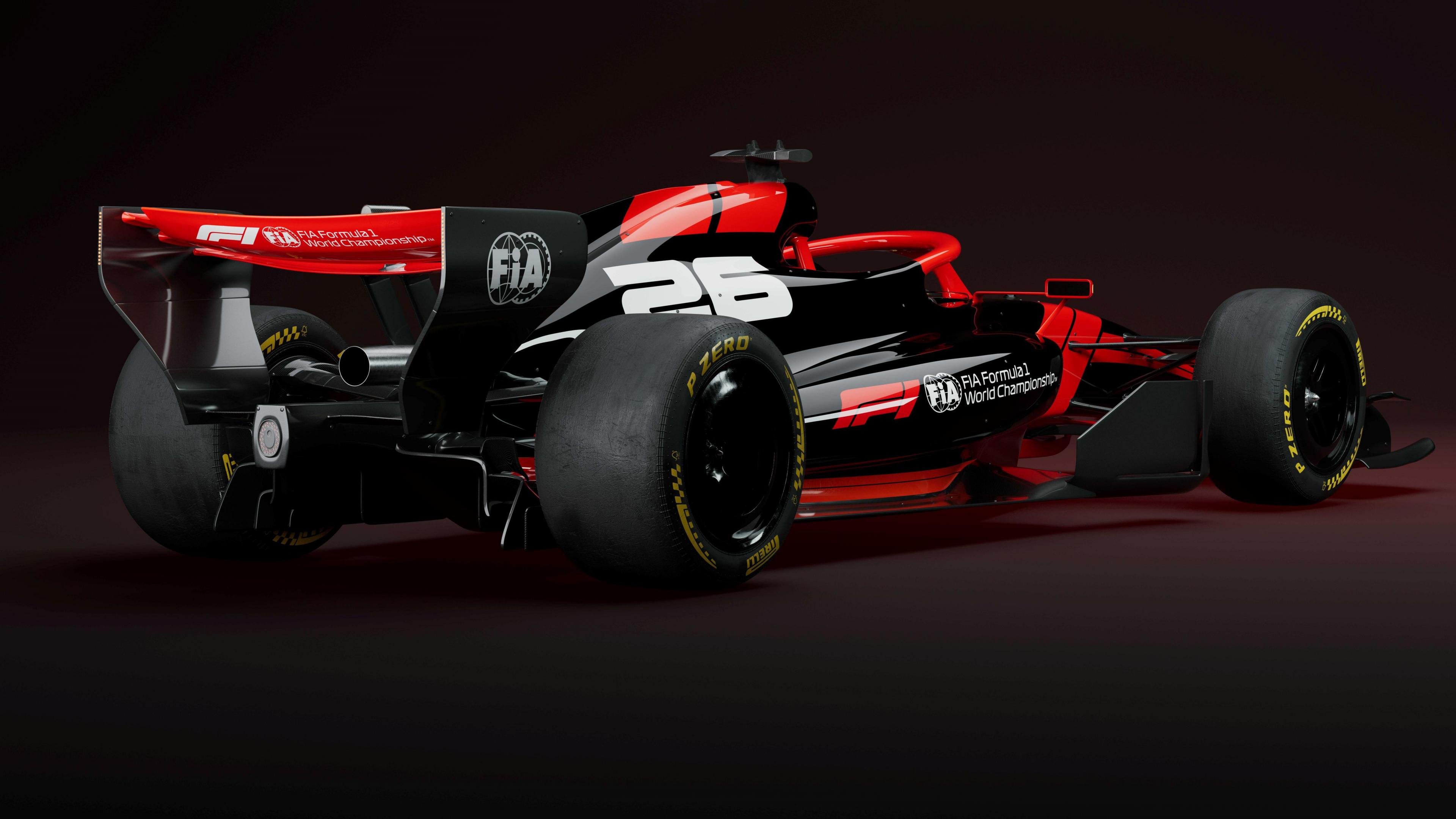
The 2026 Formula 1 cars are designed to be smaller, nimbler and more environmentally friendly relative to present-day cars.
The world of Formula 1 has unveiled the official language that will be used to reference the intricate details of its upcoming 2026 regulations.
The racing series is embarking on what is arguably the most significant regulation change in its long history next season, featuring fresh chassis and power unit regulations and the mandatory use of eco-friendly fuels.
The new power units, which maintain the 1.6-litre V6 turbo hybrid, boast a substantially higher electrical capacity, requiring major innovations in the cars' aerodynamics.
During grand prix events, drivers will strategically manage battery power – potentially on qualifying laps – to achieve the best performance.
Extensive fan consultation were undertaken with a wide range of fans, including long-time followers and newcomers, to understand which phrases would aid comprehension of the main elements of the 2026 changes.
The primary aim was to make a set of intricate technical aspects of the racing as accessible as possible for the broadest viewership.
Consequently, initial designations for some systems – such as "modes labelled X and Z" for the moveable wings – have been discarded in preference for straightforward terms that succinctly convey the primary purpose of the innovation.
What's the New Technology?
According to rule-makers that racers will have greater control to determine tactics regarding battery management, regeneration, and saving energy.
The 2026 rules introduce a set of functions that will be shown on broadcast screens to improve the viewers' comprehension of the on-track action.
- Overtake Mode: This replaces the present overtaking aid. It provides a surge of additional ERS power accessible when a competitor is within one second the leading car to execute an overtake.
- Boost Mode: This is a driver-operated battery discharge from the hybrid system that can be utilized during overtaking or defending. It provides the pilot full engine and battery energy at the activation of a control.
Both of these strategic tools will have to be managed carefully, as the available electrical charge is capped.
- Active Aero: Both the front and rear wings adjust their angles – opening on the straights for low aerodynamic resistance and increased velocity, and angling down in the corners for optimal cornering performance.
- Recharge: Cars can recharge the energy store with power recovered from braking, or during coasting at the straight's end or in sections where only limited engine output is required.
Car Design Evolution
The 2026 cars will be reduced in size and weight compared to the 2025 spec, with a distance between axles reduced by 200mm to 3,400mm, car width cut by 100mm – down to 1,900mm – and the lowest permissible weight lowered by 30kg.
Overall downforce is expected to drop by approximately 15-30%, although squads will undoubtedly recover some as they refine their designs.
Aerodynamic drag has been reduced by 40%. The cars will employ adjustable aero systems – front and rear wings will move on the straights to reduce drag and increase straightline speed and return into place for maximum cornering performance.
Tyres will retain 18-inch rims, but the tyres themselves will be narrower, by 25mm at the front and 30 millimetres on the rear axle.
2026 Engine Regulations
The revised hybrid units will have an near-equal balance in power produced by the ICE and the battery and motor, up from about 20% battery contribution under present rules.
The hybrid system is made less complex through the removal of the Motor Generator Unit – Heat, the complicated and costly device that recovered energy from the turbo.
Cars will be required to run on 100% sustainable fuel, manufactured from plant-based materials or synthetic industrial processes.


